Understanding Palm Sunday: The Prophetic Power of Psalm 118

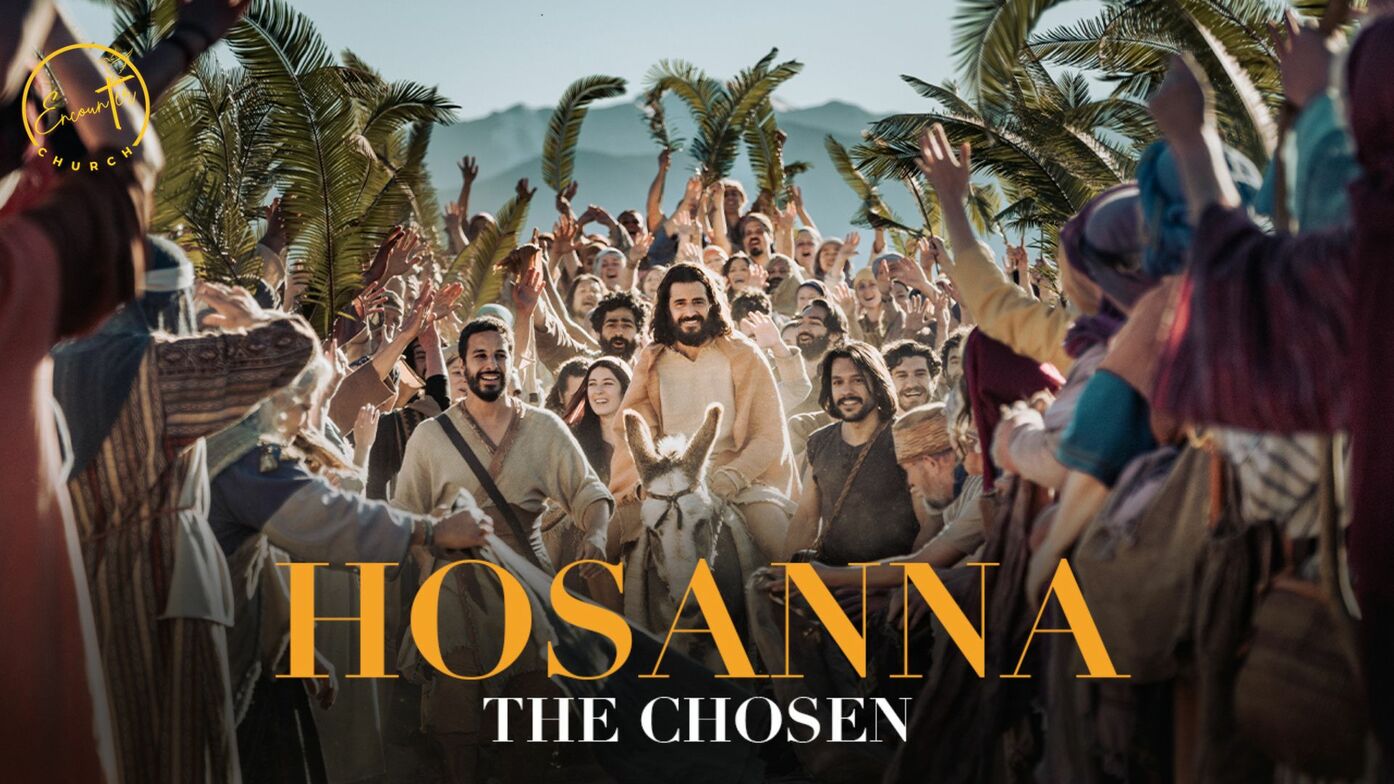
Palm Sunday marks one of the most significant moments in Christian history - Jesus' triumphant entry into Jerusalem. But what many don't realize is that the crowds weren't randomly shouting "Hosanna." They were quoting directly from Psalm 118, fulfilling ancient prophecy in real time.
What Are the Halal Psalms?
Psalm 118 belongs to a special collection called the Halal Psalms (Psalms 113-118). These were songs Israel sang during Passover, celebrating God's deliverance, covenant faithfulness, and sovereign power. The word "halal" means to boast, to dance, and to spin about wildly with joy - the same root word that gives us "hallelujah."
What's remarkable about these psalms is that they contain no mention of authorship. The writers intentionally left their names off, ensuring all glory went to God rather than man.
Why Does Gratitude Matter in Our Faith?
Psalm 118 opens with a powerful declaration: "Give thanks to the Lord, for He is good, for His mercy endures forever." This isn't just pleasant religious language - it's covenant language that connects us to God's eternal promises.
An attitude of gratitude transforms our perspective. Instead of walking in entitlement, believing someone owes us something, we recognize that we owe thanks to God for everything. When we can't be thankful for what we have now, how can God trust us with more?
How Does God's Mercy Work Across Generations?
The phrase "His mercy endures forever" appears repeatedly in this psalm because it speaks to transgenerational blessing. God's mercy doesn't end with us - it extends to our children, grandchildren, and beyond. When we declare God's mercy today, we're speaking over generations yet to come.
This is why remembering God's faithfulness matters so much. When we face new challenges, we can look back at how God delivered us before and trust Him to do it again.
What Does It Mean to Be the Chief Cornerstone?
One of the most prophetic verses in Psalm 118 declares: "The stone which the builders rejected has become the chief cornerstone." The builders were the religious leaders of Jesus' day who rejected and dismissed His claims.
A cornerstone is the first and most important stone in a building's foundation. It determines the alignment, stability, and integrity of the entire structure. If the cornerstone is off, the whole building is compromised.
Jesus is our chief cornerstone - the standard by which everything in our lives must be measured. What men rejected, God elevated as essential.
Why Did the Crowds Shout "Hosanna"?
When Jesus entered Jerusalem on Palm Sunday, the crowds shouted "Hosanna! Blessed is He who comes in the name of the Lord!" They were quoting Psalm 118:25-26. "Hosanna" comes from the Hebrew "hoshea-na," meaning "save us now" or "please deliver us."
This wasn't casual praise - it was a desperate cry for salvation. The people recognized Jesus as their Messiah and confessed their desperate need for Him. However, they expected Him to save them from Roman rule and establish an earthly kingdom immediately.
Are We Still Rejecting Jesus Today?
The same crowds who cried "Hosanna" on Sunday were shouting "Crucify Him" by Friday. Why? Because Jesus didn't come the way they expected. He didn't meet their preconceived notions of how salvation should look.
We face the same temptation today. When God doesn't work the way we think He should, when His timing doesn't match ours, when His methods seem different from what we expected, do we reject His way?
Sometimes what feels like punishment is actually preparation. God may be blessing others exponentially while allowing us to sit in a season of waiting. But our pause isn't punishment - it's preparation for what's coming next.
How Should We Respond to God's Timing?
At the wedding in Cana, when they ran out of wine, Jesus initially said His time hadn't come yet. But His mother told the servants, "Whatever He tells you to do, just do it." When Jesus finally acted, the master of the feast said, "You have saved the best for now."
God's timing is always perfect. Wherever you are right now is your "now" moment - the best time for what God wants to do in your life. Instead of questioning His methods or timing, we need to trust His process and simply obey.
Life Application
This week, practice declaring God's mercy over your life and the generations that will come after you. When you face challenges, remember how God has delivered you before and trust Him to do it again. Stop rejecting God's ways simply because they don't match your expectations.
Ask yourself these questions:
- What has God delivered me from that I need to remember and celebrate?
- Am I rejecting God's current work in my life because it doesn't look like what I expected?
- How can I better align my life with Jesus as my cornerstone rather than measuring myself by others?
- What would change if I truly believed that God's timing is perfect and that my current season is preparation, not punishment?
Remember, when you cry "Hosanna," you're not just asking for salvation - you're confessing your desperate need for God and acknowledging that He alone can save you. Let that confession of dependence become your daily prayer.

-
VISIT US